
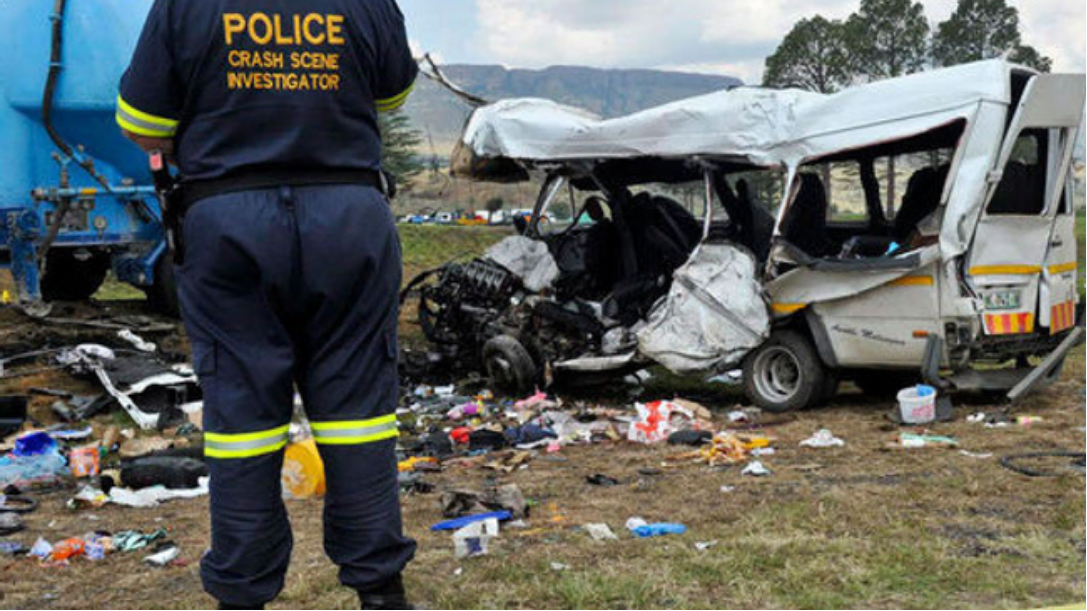
As South Africans prepare to take to the roads this Easter, the national conversation will once again focus on road safety, traffic volumes and inevitably the number of lives lost. But what happens after the headlines fade?
Every year, thousands of South Africans survive road accidents. While fatalities dominate the news cycle, far less attention is given to those who are left behind to deal with the long-term consequences of serious injury — often without the knowledge or support needed to rebuild their lives.
Injuries sustained during accidents can leave individuals unable to work, support their families, or return to normal life. Often, breadwinners suddenly find themselves dependent on others, and the impact is felt by families facing mounting medical costs, emotional trauma and financial uncertainty. Despite the scale of the problem, many South Africans remain unaware that they may be entitled to financial support through the Road Accident Fund (RAF).
The RAF exists to compensate victims of motor vehicle accidents caused by negligent driving. This includes coverage for medical expenses, loss of income and, in serious cases, long-term damages or loss of support for dependants.
However, the process of claiming from the RAF is complex, highly regulated, and time-sensitive. Many claims are never submitted. Others fail due to incomplete documentation, missed deadlines, or a lack of understanding of the legal process.
“There is a significant gap between what people are entitled to and what they actually receive,” Rogaly explains. “Not because the system doesn’t work, but because people don’t know how to access it correctly. This gap becomes especially visible after high-risk travel periods such as Easter, when increased traffic volumes, fatigue, and risky driving behaviour contribute to a spike in accidents across our country.”
While public safety campaigns continue to urge South Africans to drive responsibly, experts say there is an equally important conversation that needs to take place around preparedness.
“No one plans to be in an accident,” Rogaly says. “But knowing what to do if it happens and understanding your rights can make a life-changing difference.”
Dedicated organisations like RoadCover play a role in bridging this gap by assisting individuals through the RAF claims process, from initial registration through to settlement. Importantly, RoadCover operates on a model where claimants retain 100% of any compensation paid out by the RAF.
As South Africans embark on their Easter and future holiday journeys, the message is clear: road safety remains critical, but so too is awareness. While not every accident can be prevented, the long-term impact can be significantly reduced.
“Our focus is not just on managing claims, but on ensuring that people are supported through what is often one of the most difficult periods of their lives,” Rogaly concludes.